


-
 Roof Damage
-
 0 Comments
How to Spot Hidden Roof Damage After a Storm: A Step-by-Step Guide
1. Examine Your Attic for Interior Warning Signs
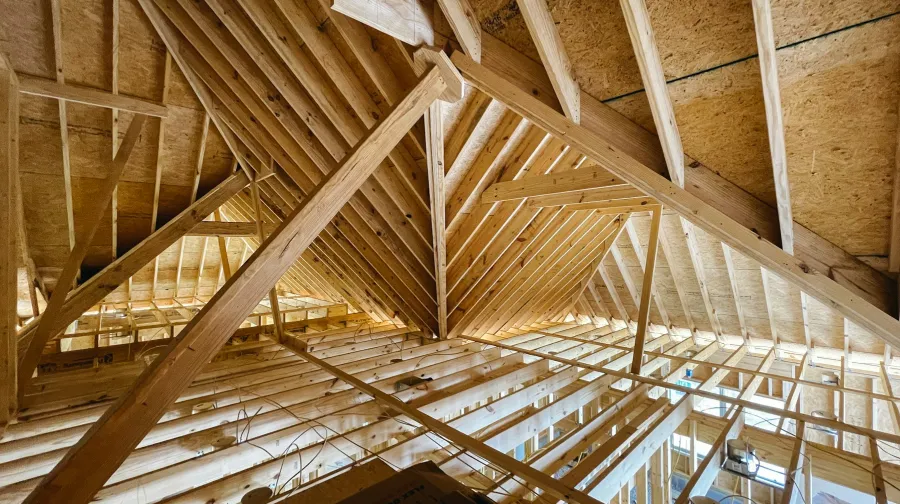
Your attic provides critical clues about roof condition that external inspections often miss. Start by looking at the underside of your roof decking for water stains, dark spots, or moisture patterns that indicate leaks have already begun. These marks may appear along seams, near chimneys, or around ventilation penetrations where flashing could have been compromised during the storm. Fresh water damage typically shows as darker, wet-looking patches, while older leaks leave yellowish or brown staining on wood surfaces.
Check for daylight penetrating through gaps in the decking or between shingles, which signals that materials have lifted or separated. Even pinpoint light sources indicate vulnerabilities where water can enter during the next rain event. Run your hand along rafters and decking to feel for dampness or temperature differences that suggest hidden moisture problems. Pay special attention to insulation, as compressed or wet insulation loses effectiveness and can harbor mold growth that threatens indoor air quality.
In Waco, where summer heat combines with sudden thunderstorms, attic ventilation plays a crucial role in preventing moisture buildup. Storm damage to ridge vents, soffit vents, or gable vents disrupts airflow and traps humidity that accelerates deterioration. Look for signs that vents have been knocked loose, blocked by debris, or damaged by wind pressure. Proper ventilation keeps your attic dry and extends the life of roofing materials, so addressing ventilation damage promptly prevents compounding problems throughout the system.
2. Inspect Shingles for Impact and Wind Uplift
From ground level, use binoculars to examine shingle surfaces for circular impact marks or dents that indicate hail contact. These impressions may appear as dark spots where granules have been knocked away, exposing the underlying asphalt layer to ultraviolet degradation. Hail damage compromises the waterproofing capability of shingles even when they remain attached, creating future leak points as the material breaks down over subsequent months. Document any clusters of impact marks, as concentrated damage areas often qualify for insurance coverage.
Wind uplift creates subtle but serious problems that are easy to overlook. Check whether shingle edges lie flat or appear slightly raised along the tabs, especially on the side of your structure that faced the strongest wind direction. Lifted edges allow water to flow underneath during rain, saturating underlayment and eventually reaching the decking. Look for creased or bent shingles that show stress patterns from wind force, as these indicate the adhesive seal has been broken. Once that bond fails, shingles become increasingly vulnerable to displacement during future weather events.
Collect any granules you find in gutters or at downspout outlets, as excessive granule loss signals advanced deterioration. While all shingles shed some granules over their lifetime, storms accelerate this process dramatically through impact and abrasion. In areas around Waco that experience frequent hail between March and June, we regularly see roofing systems lose years of projected lifespan after a single severe weather event. Granule accumulation in gutters serves as clear evidence that protective layers have been compromised and materials are degrading faster than normal.
3. Check Flashing and Roof Penetrations
Flashing around chimneys, skylights, vent pipes, and valleys represents the most vulnerable points on any roofing system. Storm winds can bend, lift, or displace these metal components, creating gaps that channel water directly into your home’s interior. Examine chimney flashing for separation from the brick or mortar joints, as expansion and contraction during temperature swings can loosen sealants that were already stressed by wind pressure. Look for rust spots or corrosion on metal flashing, which indicates moisture exposure that may have begun during the recent storm.
Skylight installations require special attention after severe weather because they combine glass, framing, and flashing elements that must all remain sealed. Check the perimeter of each skylight for gaps between the frame and surrounding shingles, or for cracks in the mounting flange that could admit water. Even hairline cracks in skylight glass can expand during temperature changes, eventually leading to leaks or complete failure. If your skylights sustained any visible damage, addressing repairs quickly prevents water intrusion that damages ceilings and interior finishes below.
Plumbing vent pipes, exhaust vents, and other penetrations rely on rubber boots or metal collars to maintain waterproof seals. These components can crack, tear, or separate during storms, especially when flying debris strikes them directly. Inspect each penetration point for torn rubber, loose collars, or gaps where sealant has pulled away from pipe surfaces. Valley flashing, which channels water between roof planes, must remain securely fastened and properly aligned to function correctly. Shifted or damaged valley flashing allows water to pool and seep under shingles, causing rot in the decking that spreads outward from the valley line.
4. Assess Gutters and Downspouts for System Integrity
Gutters protect your foundation and exterior walls by channeling water away from the structure, so storm damage that affects drainage creates problems beyond the roofing system itself. Walk the perimeter of your property looking for sections that sag, pull away from fascia boards, or show visible dents from hail impact. Heavy debris accumulation during storms can overload gutters, bending hangers or separating seams that were already weakened by age. Water overflowing from damaged gutters saturates soil against your foundation and can seep into basements or crawl spaces, creating secondary moisture problems.
Downspouts must remain securely attached and properly directed to move water at least six feet away from your foundation. Check connection points where downspouts attach to gutters, as these joints often separate during high winds or when ice and debris create blockages. Look for ground-level splash blocks or extension pipes that may have been displaced, which allows water to pool against exterior walls instead of draining away safely. In the clay-heavy soils common throughout Central Texas, improper drainage accelerates foundation settlement and can lead to structural cracks that cost thousands to remediate.
Debris trapped in gutters after storms blocks water flow and adds weight that stresses the entire system. Remove leaves, branches, and sediment to restore proper function and prevent standing water that breeds mosquitoes or contributes to rust and corrosion. While cleaning gutters, examine the inside surfaces for granule accumulation from shingles, as discussed earlier. This inspection provides an opportunity to assess both gutter condition and roofing material health simultaneously, giving you a complete picture of storm impact on your drainage infrastructure.
5. Document Findings and Schedule Professional Evaluation
Thorough documentation protects your interests whether you file an insurance claim or simply track the condition of your property over time. Photograph every area of concern from multiple angles, capturing wide shots that show location context along with close-ups that reveal specific damage details. Include reference objects like coins or rulers next to impact marks to demonstrate scale, and note the date and time on all images. Written descriptions should record what you observed, where you found it, and any measurements you took, creating a detailed record that supports future decisions about maintenance or claims.
While homeowner inspections provide valuable initial assessments, professional evaluation brings technical expertise and safety equipment that most property owners lack. Trained inspectors access areas that are dangerous or impossible to reach from the ground, examining ridge caps, upper slopes, and steep sections where damage often concentrates. They recognize subtle indicators that untrained eyes miss, such as thermal patterns that suggest inadequate ventilation or stress points that predict future failures. Professional documentation meets insurance standards and provides the detailed estimates needed to budget for necessary work.
Timing matters significantly when addressing storm damage, especially in regions where severe weather occurs frequently throughout spring and summer months. Delaying repairs allows minor issues to expand into major structural problems, particularly when additional rain events follow the initial damage. Insurance policies typically require prompt reporting of storm impacts, with some carriers setting specific timeframes for filing claims after weather events. Scheduling a professional evaluation within days of a storm ensures you capture all damage while it remains clearly attributable to that specific event, strengthening your documentation and protecting your coverage options. Taking these proactive steps safeguards your investment and maintains the structural integrity that keeps your family safe and comfortable year-round.
